
Mastering the Art of Motorcycle Safety: Essential Tips for Safe Riding
Motorcycles stir a unique thrill; the freedom they offer is a heady mix of exhilaration and adventure. However, the very essence of this freedom necessitates a corresponding emphasis on safety. Statistically, motorcyclists face a higher risk of accidents than drivers in enclosed vehicles, highlighting the importance of safety measures to ensure enjoyable and secure rides. Here are some essential safety tips for riding motorcycles.
Understanding the Importance of Training and Licensing
An essential first step in motorcycle safety is securing the proper training and licensing. Motorcycle riding requires specific skills not typically acquired through regular vehicle driving, and these skills can be life-saving on the road. Before setting out on the road, attend a motorcycle safety course, even if it’s not mandated in your area. Such courses cover key elements like handling techniques, emergency responses, and road etiquette.
Wearing the Right Gear
Motorcycles offer little physical protection; hence, your gear serves as your primary defense during an accident. Wearing the right gear – a helmet, protective clothing, and appropriate footwear – can substantially reduce the risk of severe injury.
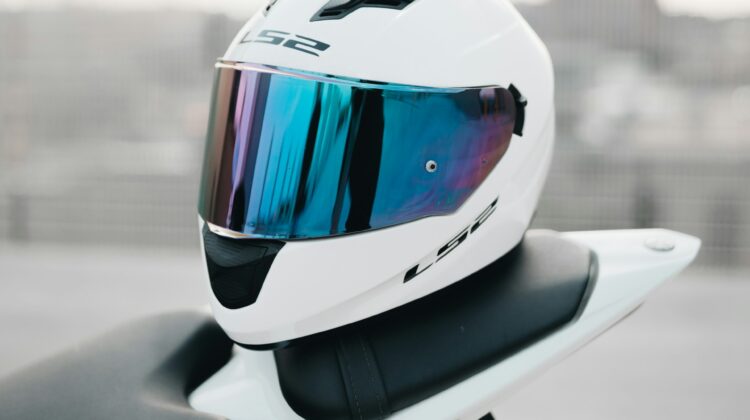
Helmets are vital. Make sure to use a full-face helmet approved by safety standards for optimal protection. Studies show that helmets reduce the risk of head injury by nearly 70%, emphasizing their non-negotiable importance.
For clothing, choose materials like leather or abrasion-resistant fabric. Motorcycle-specific jackets and pants often include built-in body armor. These can protect against both the elements and the road in case of an accident. Gloves protect your hands, vital for steering and balance, while motorcycle boots shield your feet and ankles.
Conduct Pre-Ride Checks
Ensure your motorcycle is in optimal condition before each ride. Regular maintenance and pre-ride checks can help avoid unexpected problems. Inspect the tires for adequate tread and pressure, check the headlights, brake lights, and signals, verify the brakes and throttle are working smoothly, and make sure mirrors are correctly adjusted.
Master Defensive Riding
Motorcycles, being smaller than most vehicles on the road, often go unnoticed by other drivers. As a motorcyclist, your responsibility is to compensate for this visibility gap by practicing defensive riding.
Maintain a safe distance from other vehicles and anticipate potential hazards. Regularly check your mirrors and blind spots and avoid lingering in other vehicles’ blind spots. Signal your intentions early when changing lanes or turning and use your headlights day and night to increase your visibility.
Adhere to Traffic Rules
Obeying traffic rules is a cornerstone of motorcycle safety. Speed limits, traffic signs, and road markings are there for a reason – they help create a predictable flow of traffic and reduce the chances of accidents. Moreover, riding responsibly reinforces a positive image of motorcyclists in the eyes of other road users.
Be Cautious in Adverse Conditions
Weather conditions can significantly affect road safety, particularly for motorcyclists. Rain, snow, or high winds can make motorcycle control challenging and reduce visibility. If you must ride in adverse conditions, slow down, increase your following distance, and avoid sudden maneuvers.
Stay Sober and Alert
Impaired riding is a leading cause of motorcycle accidents. Alcohol, drugs, and even certain prescription medications can affect your ability to operate a motorcycle safely. Always ride sober and well-rested. Fatigue can also be a significant impairment, slowing reaction times and affecting decision-making abilities.
Continued Learning and Practice
No matter how long you’ve been riding, there’s always room for improvement. Riding skills can degrade over time, especially if you don’t ride regularly. Consider taking refresher courses or advanced training to keep your skills sharp. Similarly, practice emergency maneuvers periodically, so you’re prepared if you need to use them on the road.
Motorcycling, when approached with the right mindset and skills, can be an incredibly enjoyable activity. Remember, safety isn’t a mere concept but a continuous practice. These tips aren’t exhaustive but serve as a roadmap to making your motorcycling experience as safe as possible. Adopting them may seem to require extra effort at first, but as they become second nature, you’ll find they contribute significantly to a more relaxed and enjoyable ride.