
Japanese Motorcycles vs. European Brands: A Battle of Innovation and Tradition
In the world of motorcycles, two dominant forces have long been at odds: Japanese motorcycles and European brands. Each has its own unique appeal, and riders often find themselves debating the merits of one over the other. In this article, we will explore the key differences between Japanese motorcycles and European brands, shedding light on their distinct characteristics, innovation, and traditions.
Japanese Motorcycles: Precision Engineering and Reliability
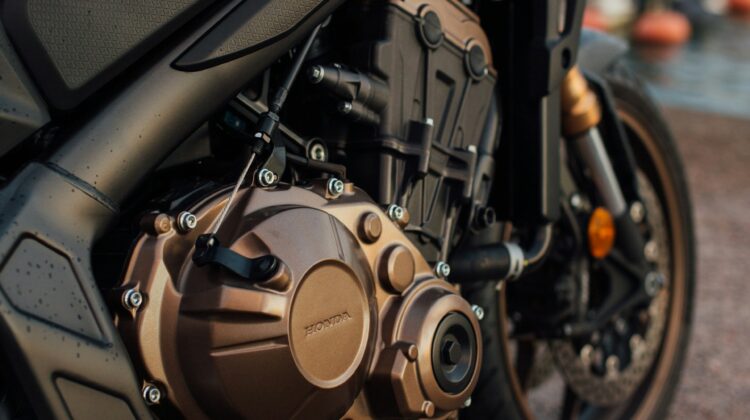
Japanese motorcycle manufacturers, such as Honda, Yamaha, Kawasaki, and Suzuki, are renowned for their precision engineering and unwavering reliability. These companies have established themselves as industry giants, producing a wide range of motorcycles that cater to various riding preferences.
One of the most significant advantages of Japanese motorcycles is their reliability. These bikes are known for their bulletproof engines and minimal maintenance requirements. Whether you’re commuting to work or embarking on a cross-country journey, you can trust a Japanese motorcycle to get you there without breaking a sweat.
Furthermore, Japanese manufacturers have embraced cutting-edge technology, incorporating features like ride-by-wire throttle systems, advanced traction control, and electronic rider aids. This commitment to innovation has made Japanese motorcycles increasingly appealing to riders seeking the latest advancements in performance and safety.
European Brands: A Heritage of Craftsmanship and Performance
European motorcycle brands, such as BMW, Ducati, Triumph, and KTM, have a rich heritage steeped in craftsmanship and a strong focus on performance. These bikes often appeal to riders who prioritize style, handling, and a visceral riding experience.
European motorcycles are known for their unique designs, with an emphasis on aesthetics and attention to detail. Whether it’s the elegant curves of a Ducati or the classic lines of a Triumph, European bikes often double as works of art on two wheels.
Performance is another area where European brands shine. They are known for producing high-performance machines that deliver exceptional power, handling, and agility. Riders who relish spirited rides through twisty mountain roads or crave adrenaline on the racetrack often gravitate toward European motorcycles.
Innovation vs. Tradition: Finding the Right Balance
While Japanese motorcycles excel in reliability and innovative technology, European brands embrace tradition and offer a more emotional riding experience. However, the lines between these categories have blurred in recent years. Japanese manufacturers have ventured into the realm of high-performance sportbikes, and European brands have introduced more reliable and user-friendly models.
In this evolving landscape, riders now have a broader range of choices, allowing them to select a motorcycle that aligns with their individual preferences. Whether you prefer the precision and reliability of a Japanese bike or the craftsmanship and performance of a European machine, there’s something for everyone in today’s motorcycle market.
In conclusion, the debate between Japanese motorcycles and European brands is not a matter of one being better than the other. It’s a matter of personal taste and riding style. Both have their own unique strengths and appeal to different types of riders. Ultimately, the decision between a Japanese motorcycle and a European brand should be based on your specific riding needs and what you value most in a motorcycle: reliability and innovation or tradition and performance. Regardless of your choice, the world of motorcycles offers a thrilling adventure waiting to be embraced.